Septa Selection Guide
29 July 2022
Resources
There are many different types of materials used to produce the septa for LC and GC vial caps.
Choosing the right septum for your application will help you to optimise performance and results. Here is a guideline to help you match the right products to your needs:
- Exceptional solvent resistance
- Only suitable for single injection use – not recommended for sample storage before or after injection
- NOT resealable
- Maximum service temperature: 260°C
- Excellent resealing capabilities
- Autoclavable and excellent resistance to coring
- PTFE chemical resistance until pierced then the septa will have the compatibility of silicone
- Temperature range: -40°C to 200°C
- Recommended for:
- √ Multiple injections
- √ Sample storage
- Reduces the possibility of coring with blunt tipped needles or for applications using a thing gauge needle
- Used to prevent vacuum from forming inside the vial
- Temperature range: -40°C to 200°C
- Recommended for:
- √ Applications using thin gauge or blunt-tipped needles
- Recommended for multiple injections due to above average resealing capabilities
- Autoclavable and excellent resistance to coring
- Temperature range: -40°C to 200°C
- Recommended for:
- √ Multiple injections due to above average resealing capabilities
- √ Demanding applications such as internal standards, trace analysis
- √ Applications with a long time between injections.
- Easy to pierce with moderate resealability
- PTFE chemical resistance until pierced then the septa will have the compatibility of rubber
- Not recommended when retaining samples for further analysis or for multiple injections
- Temperature range: -40°C to 110°C
- Recommended for:
- √ Routine analyses
- Only suitable for single injection use – not recommended for sample storage before or after injection
- Not resealable
- Temperature range: 0°C to 130°C
Omega Scientific is poised to support your chromatography needs. To browse our selection of vials, caps and inserts, click Vials and Accessories.
Looking for a personalized consultation to discuss your chromatography analysis?
Call us at 6744 6645 or email info@omegascientific.com.sg.
Related Articles

Testing-1
Testing
Get a Quote Today +65 6744 6645 info@omegascientific.com.sg Request a Quote Get a Quote Today +65 6744 6645 info@omegascientific.com.sg Request a Quote
June 30, 2026
Read More
Resources
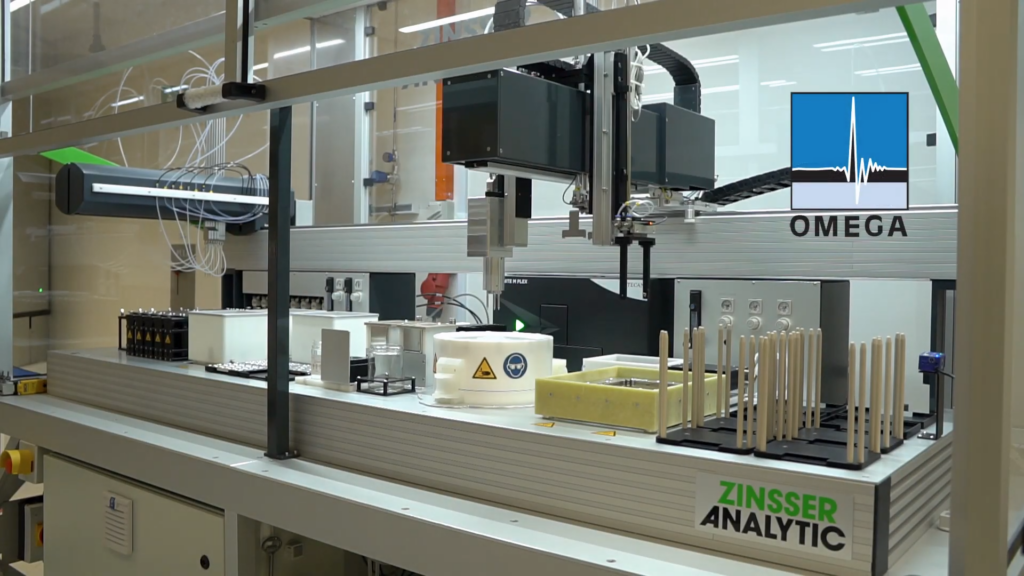
10 reasons to choose a pipetting robot for routine lab work
Reformatting, plate multiplication, aliquoting, pooling, cherry picking, dilution curves or normalization – the daily business in labs. In times of standardization, where efficiency, throughput, reproducibility…
September 6, 2024
Read More
Resources
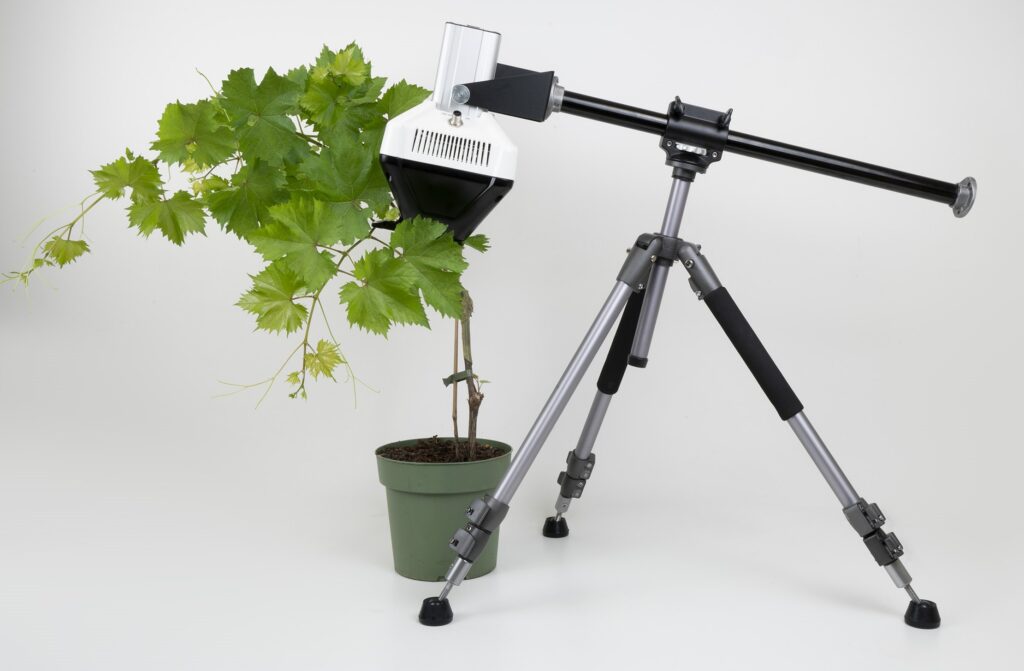
Flat Handy FC 1300: The Future of Chlorophyll Fluorometry!
The Flat Handy FluorCam FC 1300-H and the GFPCam FC 1300-H/GFP are perfect for examining leaves, small plants, leaf segments, mosses, lichens, seeds, fruits, roots, tissues, or…
September 6, 2024
Read More